
Introduction
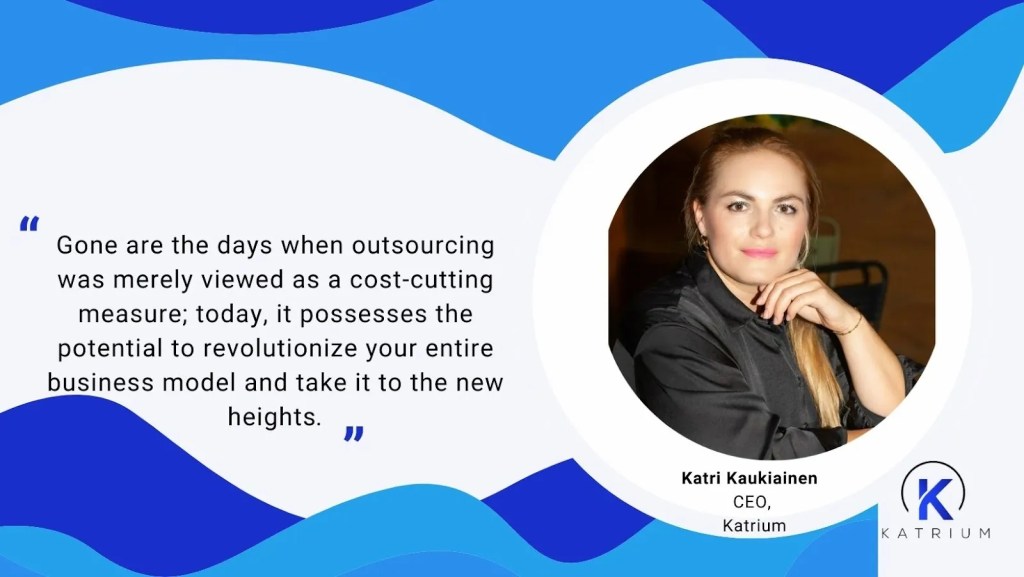
It wouldn’t be an overstatement to assert that outsourcing possesses the potential to revolutionize your business and propel it to unprecedented heights. Outsourcing is a business practice where services or job functions are delegated to a third party. Companies can avail outsourcing services within their own country, known as onshore services, or nearshore services, involving a neighbouring country in the same time zone. Alternatively, offshore outsourcing entails delegating tasks to a distant country. In the following paraphrase, we will illuminate crucial aspects of outsourcing and how businesses can leverage them to enhance their operations.
Understanding Outsourcing
The term “outsourcing” refers to the practice of obtaining goods or services from an external party, combining the words ‘out’ and ‘sourcing’ to involve another party in meeting the business’s current needs. Various types of outsourcing are currently in practice:
1. Process outsourcing:
This involves outsourcing specific processes, such as customer support or recruitment, to external companies. Businesses adopt this approach to reduce operational costs and focus on their core values. For instance, a furniture-making company may outsource customer support to a third-party vendor, allowing them to concentrate on acquiring quality raw materials and emphasising design.
According to a report by Shortlister 50+ BPO Statistics & Trends & Facts in 2024 , 29% of businesses with fewer than 50 employees outsource, compared to 66% with 50 or more employees. Small Business often outsource to improve efficiency, with accounting and IT services being the most commonly outsourced functions.
2. Professional outsourcing:
This occurs when a business lacks professional expertise in a specific field, such as legal or taxation, prompting partnerships with other companies to handle those tasks. Outsourcing is currently in high demand due to its associated advantages:
a. Elimination of the need to hire experts for a specific task.
b. Cost savings in hiring.
c. Flexibility in hiring experts based on demand, scaling up or down as needed.
d. Ability to change personnel or resources if the partnership is not effective, unlike the challenges associated with permanent hiring.
While this approach has only a slight disadvantage – the potential loss of control and quality, as the business relies entirely on the other party for services – this concern can be mitigated through proper contractual frameworks.
3. Logistics outsourcing:
Almost every business relies on outsourcing for the supply chain in some form. This practice involves hiring an external company for the transportation, warehousing, and distribution of goods. These tasks often incur substantial costs due to the significant initial investment required for purchasing vehicles or establishing proper warehousing arrangements in line with industry requirements. Projections indicate that the 3PL (third-party logistics) market is expected to reach Euros 1.46 trillion by 2028, as reported by 3PL.
This approach offers several benefits, including cost reduction and access to insights from various industry experts to enhance the overall supply chain. However, it is essential to consider that if a business consistently requires this service, it may be advisable to develop its own logistics system, as relying on third-party vendors might incur significant long-term costs.
4. Manufacturing outsourcing:
Companies may outsource manufacturing tasks to external entities, often offshoring production to countries with lower labor and raw material costs. This practice benefits businesses by achieving quality results at a lower cost without the need for extensive investment in manufacturing infrastructure. Presently, companies like Apple and Tesla often award contracts to firms in China and India to handle their manufacturing processes. This strategic approach enables them to achieve comparable quality at significantly lower costs, attributed to inexpensive labor and reduced raw material expenses.
However, potential issues include delays due to local political or political conditions, as well as quality concerns and language barriers.
5. Project outsourcing:
This type of outsourcing occurs when a business aims to open a new branch or excel in a specific field, seeking reliable and swift results. For instance, a small business in a growing market may enhance its website and social media presence by hiring a digital marketing expert team for a campaign.
Benefits:
It provides valuable assistance when expertise is needed, especially during business growth. A team of professionals engages in the task, delivering results.
Drawbacks:
Conducting thorough research before assigning projects to companies is advisable. While a reputable company may yield proper results, there’s a risk of delays and unsatisfactory outcomes. Therefore, in such cases, valuable resources, including time, could be wasted.
To summarise, the table below illustrates the distinctions between various outsourcing types:

Reasons for Outsourcing
Sam Darwish, former Forbes Councils Member, emphasises the importance for companies to discern which processes they can handle in-house and which ones they can outsource. Striking the right balance between the two is the key to success in this competitive market. Here are the top reasons to engage subcontracting companies in the process:
1. Navigating Growth Options
During rapid company growth, the need for additional support becomes crucial. Companies facing such expansion have two options: hiring new personnel directly into their payroll or engaging an outsourcing company. Hiring is not only an expensive process but also time-consuming. It involves training, providing insurance, and setting up payroll for new hires. On the other hand, outsourcing empowers the company to swiftly manage workforce demands according to fluctuations. This proves to be a significant strategy in keeping the team focused on specific tasks during periods of growth.
2. Flexibility:
Businesses experience varying momentum throughout the year, with periods of high and low earnings. During off-seasons or peak times, outsourcing becomes a valuable tool. It allows companies to access manpower, specific skills, or task assistance for a defined period without making a long-term commitment. This flexibility proves to be an excellent resource for adapting to changing business demands efficiently.
3. Utilizing Top Talent:
In sectors where job opportunities outweigh the availability of skilled individuals, workers often gravitate towards larger corporations. This poses a challenge for smaller companies, leaving them feeling they lack the necessary personnel for various tasks. However, outsourcing acts as a bridge, enabling any business to harness and involve top-notch talents in their operations.
4. Enhanced Focus on Core Tasks:
Imagine a mobile manufacturing company working diligently to stay competitive. They invest significantly in research and development, striving to improve supply chain management. However, customer care is equally important. By outsourcing customer support, the company can concentrate on its primary task—manufacturing top-quality mobile devices and ensuring customer satisfaction. Outsourcing proves highly beneficial in maintaining link what really matters.
Now, consider a local bakery in a small part of Finland renowned for its state-of-the-art croissants. As their business grows and they aspire to become a national-level bakery, they require assistance with social media. Instead of hiring an internal team, they can collaborate with a digital marketing expert firm. This strategic move allows them to focus on their primary task of creating exceptional pastries while the marketing aspect is efficiently handled by experts. In both scenarios, outsourcing emerges as the tool that can propel businesses to new heights.
Demerits of outsourcing
As the saying goes, every rose has its thorn. Consequently, there are some drawbacks to outsourcing that cannot be ignored.
Unfamiliarity with Your Business
While a skilled freelancer may prioritise your business goals and values, their understanding might not match that of an in-house employee. This discrepancy can lead to challenges in navigating the unpredictable atmosphere of your business environment.
Communication Barrier
In this digital nomad era, where companies often conduct work without physical meetings, reliance on digital channels like emails, calls, or virtual assistant is common. However, not meeting the employees of outsourcing companies or freelancers in person can result in a significant communication barrier. Factors such as differences in time zones or language barriers may lead to strained relationships between both parties or hinder the business from securing the best possible deal.
Quality control issue:
Outsourcing can pose quality control challenges. If you fail to closely monitor the progress, achieving the desired quality becomes difficult. Subcontracting companies, aiming for efficiency, may rush the work. Even a slight lapse in monitoring can make it challenging to obtain the desired results or request necessary edits to meet your satisfaction. Regular and thorough oversight is crucial to maintaining quality standards.
Impact on Permanent Employees:
The consistent use of outsourcing may lead permanent employees to feel uncertain about the stability of their jobs. They might start questioning if they possess the required skill set to be valuable contributors to the business. This uncertainty can significantly impact their morale and confidence. The more extensive the outsourcing, the more likely employees are to perceive their jobs as being in jeopardy. Therefore, it is highly recommended to keep employees informed about the reasons behind outsourcing to alleviate concerns and maintain a positive work environment.
Slow response time:
External partners juggling multiple projects may result in slower response times compared to dedicated permanent employees. The flexibility to assign tasks for extended periods allows in-house teams to provide quicker responses. This delay in communication is a consideration when relying on external partners.
Although, the above written disadvantage can look scary but maintaining proper communication between the outsourcing company and in-house employees can alleviate potential barriers. Establishing a periodic monitoring system after each project phase is crucial. Businesses can also provide a clear mission, values, and colour template to external parties, ensuring alignment with the desired project outcomes and maintaining a cohesive approach.
The mentioned challenges have the potential to significantly disrupt your business, leading to a time-consuming and costly recovery process. However, with Katrium forward-looking vision and a reputation built on trust, you can confidently address these issues and collaboratively strive to elevate your business to the next level. To explore flexible solutions, you can book a virtual meeting with Katrium and discover how they can assist you.
The outsourcing transition:
According to a Clutch survey Small Business Outsourcing Statistics in 2019 | Clutch.co, 33.3% of businesses outsource processes to elevate their success. Transitioning may seem daunting, but following some straightforward measures can be a game-changer. A crucial step is creating a framework for the entire outsourcing process, acting as a ladder to success. One key element in this process is making a list of uncertainties:
1. People’s Reaction to Change:
Change often instills fear of uncertainty, loss, and challenges in learning. Addressing and managing people’s reactions is vital for a smooth transition.
2. Maintaining Integrity:
Documenting important information ensures clarity and conveys essential details effectively to the third-party vendor team.
3. Coordination:
Coordination is the backbone of the transition. Clear coordination channels among departments are crucial for efficient task execution.
4. Stakeholder Expectations:
Recognizing and considering the varied expectations of stakeholders is essential to align the transition work with their envisioned outcomes.
Objectives of Outsourcing:
It is crucial to have a clear understanding of the objectives of the transition to ensure alignment within the organisation, preventing future pushback or issues. Third-party vendors often use a balanced scorecard approach, addressing key questions:
1. Roles and Expertise Needed:
Clarify the roles and expertise required from outsourcing companies.
2. Adding Value:
Define how outsourcing partners can add value to the business Process .
3. Roles and Skills Requirements:
Specify the necessary roles and skills for a successful transition.
4. Ensuring Business Continuity:
Develop strategies to minimise the impact on business operations during the transition.
Identifying Risks:
Anticipate and identify potential risks and challenges during the transition phase. Having an action plan in place not only saves costs but also equips the business to effectively combat these challenges.
Knowledge Transfer Activities:
After project completion, external service teams must provide training for seamless operations. Effective knowledge transfer involves:
1. Creating a Timely Environment:
Establishing a timeline and conducive environment for service delivery.
2. Documenting Processes:
Documenting the workflow processes to ensure clarity and consistency.
3. Creating Work Patterns or SOPs:
Developing standardised operating principles to facilitate smooth operations.
Tips for Successful Outsourcing
The well-known saying, “If you fail to plan, you are planning to fail,” attributed to Benjamin Franklin, perfectly aligns with the key tips for successful outsourcing that can reshape your business and contribute to long-term profitability.
Tip 1 – Know Your Expectations and Objectives:
Establish Specific, Measurable, Achievable, Relevant, and Time-bound (SMART) objectives for the project. Clearly communicate the expected benefits and associated costs to your potential outsourcing partner.
Tip 2 – Select Your Partner Wisely:
Conduct thorough research before partnering with a vendor. Ask critical questions about their fit with your needs, alignment with goals, and reliability. Read reviews, perform background checks, and assess the quality of services.
Tip 3 – Develop a Comprehensive Contract:
Create a detailed contract covering the scope of work, deliverables, timelines, pricing models, and service level agreements. Include provisions for dispute resolution, termination clauses, confidentiality agreements, and penalties.
Tip 4 – Establish Effective Communication Channels:
Set up communication channels to facilitate coordination between teams. Assign roles to each department for tasks, ensuring quick and easy communication. This promotes a smooth transition and clear objectives.
Tip 5 – Provide Sufficient Training:
Offer comprehensive training to the outsourcing team, familiarising them with the required work standards. Provide relevant documents to guide their work, helping them formulate effective strategies and contributing to project success.
Tip 6 – Ensure Data Security:
Safeguard sensitive data by regularly auditing and monitoring the outsourcing partner. Confirm that they employ the latest technology to maintain data security, preventing misuse or unauthorised sharing of private information. Use of automation could lend a helping hand in this task.
Service Provider selection
Choosing who to outsource is a pain in the neck to forging a partnership for a brighter future. A misguided decision in this regard can not only incur financial losses but also result in a waste of valuable time in today’s fiercely competitive market.
Choose the Most Suitable Vendor:
- Source: Seek vendors whose capabilities align with your needs.
- Screen: Apply objective criteria to narrow down your options systematically.
- Select: Identify the vendor that best fits your requirements and make the selection.
Key Considerations Before Finalizing Partnerships:
While the aforementioned steps provide a fundamental framework, it’s crucial to consider several factors before finalising the partnership.
- Technical Skills: Evaluate the technical proficiency of the outsourcing company. Scrutinise the software they employ, their problem-solving abilities, and the tools at their disposal for addressing and resolving queries efficiently.
- Reputation: Partner with a company boasting a solid reputation. Neglecting this aspect may lead to unresponsive communication, unanswered calls, and subpar work quality. Utilise tools like Google reviews, forums, and independent review platforms such as Clutch Clutch – The Leading Marketplace for Finding Business Services or GoodFirms GoodFirms – B2B Reviews & Ratings you can trust to gauge the experiences of previous clients.
- Best Pricing Model: Allocate a budget for your business model and seek an outsourcing company that aligns with it. According to reports from TeamStage Outsourcing Statistics 2023 Outsourcing Statistics 2023: In the US and Globally | TeamStage, 59% of outsourcing is done to reduce operational costs. Explore options that meet your budgetary requirements while providing the flexibility needed for the task at hand.
- Long-Term Focus: Look for vendors with a track record or the potential to become long-term partners for your firm. They should approach their work seriously, demonstrating a commitment to your growth and theirs. Avoid partners who prioritise short-term gains over a lasting relationship. Choose a partner capable of contributing to your business’s success for an extended period.
Katrium: Your Smart Outsourcing Partner
Katrium stands out as a leader in International BPO Outsourcing and Small Business Support Services, excelling in reputation, process optimization, and technological expertise. Their expertise extends to multilingual outsourcing contact call centers. As your potential trusted partner for success, Katrium possesses the essential qualities for collaboration. Schedule a meeting through this link.
With the tagline “Smart outsourcing,” Katrium is well-equipped to manage outsourcing tasks, allowing you to concentrate on your business’s core processes. Gain a competitive edge through outsourcing by visiting the Katrium website!
Negotiating the best outsourcing deal
Outsourcing various tasks such as manufacturing, customer support, managed IT support, and software development to external companies has become a common practice in today’s business landscape. According to the 2021 global shared service report by Deloitte, IT is the most outsourced branch in the industry, accounting for 54%, followed by finance at 44%, payroll at 32%, and customer services at 22%. Securing the best deal for your outsourcing work is a top priority to allocate resources effectively and enhance the core aspects of your business.
1. Clear Objectives: Having a clear understanding of the objectives or goals you aim to achieve through outsourcing puts you in a strong position during negotiations. This clarity helps prioritise your needs and ensures that you can articulate your goals effectively, leading to the best possible deal.
2. Gather Information: Knowledge is a crucial element in negotiating successful deals. Being well-informed about the current market rates, the reputation of potential vendors, legal requirements, contract duration, and associated risks and opportunities provides you with the necessary insights to plan ahead and be authoritative during negotiations. For instance, if negotiating a technical customer care service deal, awareness of current market rates allows you to confidently present your terms and secure the most favourable agreement.
3. Win-Win for All: Strive for a win-win situation where both parties benefit from the deal. Being overly authoritative without considering the concerns of the vendor can demotivate them and impact their focus on the outsourced tasks. It is advisable to seek a deal that satisfies the needs of both parties, fostering a positive and collaborative relationship. This approach ensures that both your organisation and the outsourcing partner derive value from the agreement, promoting long-term success.
Real life example of successful outsourcing
There are numerous companies which have utilised the outsourcing to their best and have taken their business on the next level. Below are some real-life examples of the companies who did this successfully:
1. Alibaba:
Alibaba, a leading E-commerce platform, transformed the online shopping landscape. Originally an internet provider in China, Alibaba strategically hired IT experts from the United States in remote positions to develop their website. This outsourcing initiative played a crucial role in propelling Alibaba to its current global dominance.
2. WhatsApp:
WhatsApp, the widely used mobile application, initially operated with a lean team of 30 full-time employees, 5 part-time employees, and 2 interns. To manage costs efficiently and seize growth opportunities, WhatsApp outsourced technical and customer support work to a U.S.-based outsourcing company. This strategic decision contributed significantly to their expansion and success.
3. LinkedIn:
LinkedIn, a professional networking platform, outsources a substantial portion of its content moderation work to an outsourcing company. This strategic move allows LinkedIn to concentrate on its core functions while reducing operational costs, contributing to the platform’s success in connecting professionals globally.
4. Nike:
Nike, a renowned sports brand that sponsors prominent athletes like Chris Paul, Tiger Woods, and Cristiano Ronaldo, is notable for its outsourcing practices. Approximately 50,000 people are involved in Nike’s outsourcing model, particularly in manufacturing. Currently, Nike holds a 47% share in the market, showcasing the effectiveness of its outsourcing strategies.
5. Procter & Gamble (P&G):
P&G, a well-known Scandinavian brand selling consumer items in over 160 countries, embarked on outsourcing in 2003. They outsourced functions such as finance, accounts, HR, and facilities management to companies like LaSalle, IBM, and HP. The results were remarkable, with improvements of 99% observed across all outsourced areas, highlighting the success of P&G’s outsourcing initiatives.
Conclusion
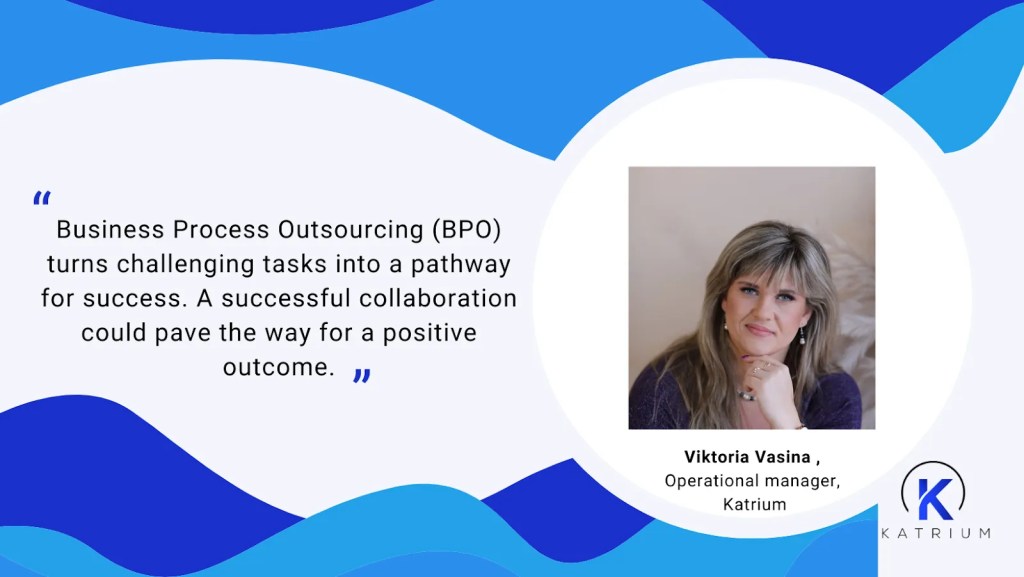
In conclusion, it is apt to acknowledge that outsourcing plays a crucial role for companies seeking flexibility, cost savings, and access to specialised skills. The motivations behind outsourcing are diverse, ranging from aiding companies during growth periods to providing flexibility and access to top talent. However, outsourcing is not a one-way street; it involves extensive planning, respect for individuals, understanding and managing stakeholders, among other considerations.
When managed effectively, outsourcing has the potential to transform a business to the next level. To ensure successful outsourcing, clarity in goals and objectives is paramount. While outsourcing can elevate a business to new heights, thorough research is imperative before embarking on such endeavours.
At Katrium, we grasp the power and beauty of outsourcing. If you seek enhanced efficiency and cost reduction, our team at Katrium equips you with all the tools to realise and achieve your aspiration click here to contact us.
7 Responses