
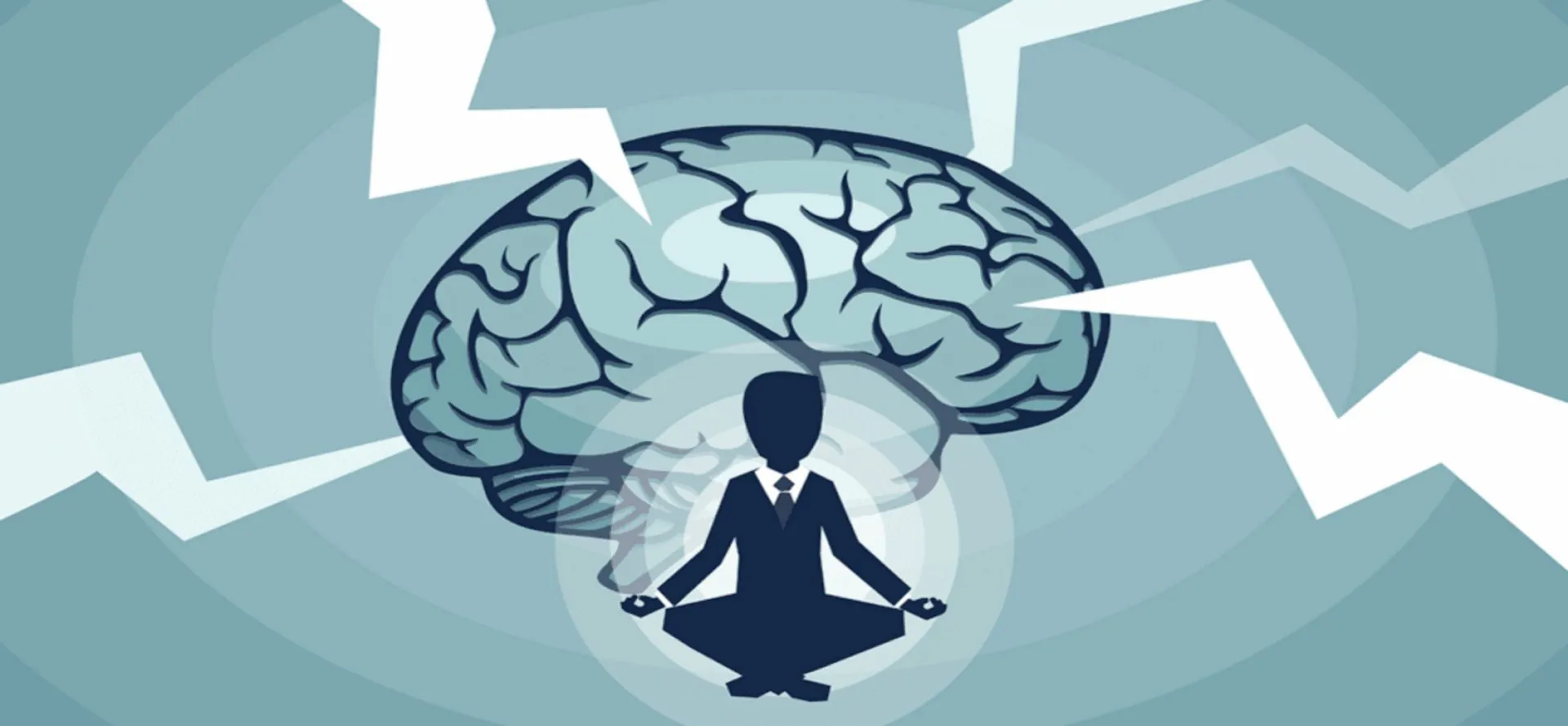




Emotional intelligence (EI) is the ability to recognize and manage your emotions. It also includes understanding and responding to the emotions of others. This skill is very important in the workplace because it helps people work well together and build strong relationships.
In fact, studies show that emotional intelligence can account for up to 75% of success in work and social situations. This means EI is not just another skill, it is the foundation for creating a positive and productive work environment.
For example, employees with high EI tend to collaborate more effectively and are capable of handling stress better than others. Additionally, a large amount of studies now suggests that a person’s ability to sense, understand, and manage emotion is very important to achieving success.
At Katrium, we recognize that emotional intelligence is a vital skill in today’s business world. It not only helps deliver exceptional services but also strengthens teamwork and enhances productivity. That’s why we prioritize EI in everything we do. As an outsourcing services provider, we incorporate EI into all our strategies, ensuring that our clients benefit from both improved efficiency and stronger team collaboration.
Why Emotional Intelligence is important
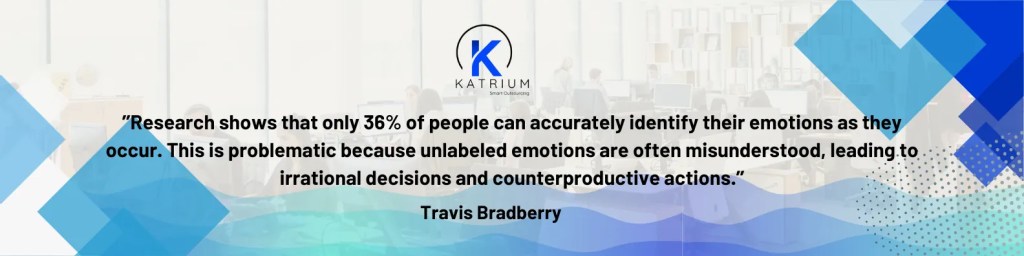
There are many reasons why a person should value EI in both their personal life and their professional life. One key reason that makes emotional intelligence very important is that it helps people to work together much more successfully. In other words, it creates a place of work that is both more productive and more enjoyable. Emotional intelligence plays a crucial role in decision-making and relationships. However, research shows that only 36% of people can accurately identify their emotions in the moment. Here are some ways EI makes a difference in a business setting:
- Inspiring leadership
Having high EI allows leaders to inspire and guide their teams effectively, so they can make strong decisions under pressure and adapt to change with ease. - Stronger Workplace Relationships
Empathizing with coworkers builds trust and encourages collaboration, which leads to healthier relationships in the workplace and an overall increase in employee happiness. - Calm conflict resolution
Moreover, emotional management promotes a calm and productive approach to resolving conflicts or issues. Instead of reacting to problems emotionally, it is good for individuals to listen to others and work towards solutions that benefit everyone. Lashing out helps no one. Coming up with a solution calmly is not only more efficient, but it also helps in creating a low-stress work environment. - Better customer relations
Employees with strong EI can better understand the needs of the customer and offer them personalized solutions, which results in stronger customer relationships and satisfaction.
A workplace that values emotional intelligence is a happier and healthier place to work in. If you are interested in learning more about how EI plays a role in customer service, we encourage you to explore this article for more information on the subject matter.
Importance in personal life
Emotional intelligence helps people understand their own feelings. It makes relationships stronger by improving communication. It also helps in handling stress and staying calm in tough times. People with good emotional skills feel happier and more confident.
EI helps people know what they feel and why. It makes it easier to talk to others and understand their feelings. This leads to better friendships, family bonds, and relationships. When problems happen, people with emotional intelligence stay calm and find good solutions. It also helps them control anger, stress, and sadness in a healthy way. They feel more confident because they understand themselves better. Life becomes easier and happier when emotions are handled well.
Components of Emotional Intelligence in Business
Emotional intelligence includes many key things that are necessary in the business setting. It is useful to be aware of them. Here is a short list of some of the most important parts of EI in the business setting.
- Be self-aware
You should understand how your emotions influence your behavior. For example, if a manager is conscious of his or her behavior, they can pause and approach an issue more constructively. - Control yourself and your emotions
Involves controlling impulses and adapting to change. Leaders who control their emotions remain composed in the face of adversity. - Empathy
Involves understanding and sharing the experiences of others; as a result, empathetic managers are better equipped to provide stronger assistance to their teams. - Social Skills
Developing networks and sustaining positive relationships. Strong social skills promote improved teamwork and help in resolving disputes.
There is a lot more to learn about EI and its components, which is why we recommend you look into it more. At Katrium, we have made emotional intelligence one of our focus areas and are dedicated to providing the best possible assistance.
Examples of Emotional Intelligence in Action
- A team leader, for instance, proactively addresses staff fatigue by reducing workload.
- Similarly, a salesman adjusts their pitch based on the customer’s body language and tone.
- Meanwhile, an HR manager can mediate conflicts by understanding both sides and promoting mutual understanding.
In summary, understanding customer contact is important for delivering well-constructed services. Learn more here.
How It Develops in the Workplace

Improving emotional skills takes time, however, it is well worth the effort. There are several effective ways to foster emotional intelligence in the workplace:
- Workshops
First, offer training sessions to help employees develop EI skills such as active listening and empathy. These workshops provide practical tools that benefit everyone. - Feedback Systems
Next, create systems that allow employees to give and receive feedback in a safe and respectful environment. This helps build trust and encourages open communication. - Mindfulness Practices
Additionally, encourage mindfulness activities, like yoga or stress-relief exercises. These practices help employees stay calm, manage emotions, and handle stress more effectively. - Appreciation
Furthermore, recognize employees for their hard work. Even small compliments or expressions of gratitude can go a long way in boosting morale and motivation. - Listening Culture
Foster a culture where employees feel heard. Take the time to listen carefully to their suggestions and concerns, even if you cannot meet their requests. - Leadership Role Modeling
Encourage leaders to model emotionally intelligent behaviors, setting a positive example that inspires the entire team.
By taking these steps, businesses can create a more emotionally intelligent workplace. While developing EI is an ongoing journey, even small actions can make a big difference. At Katrium, we understand the value of emotional intelligence and are committed to sharing expert insights and practical strategies to help teams enhance their communication and empathy skills.
Impact on Business Success
When companies invest in emotional intelligence, they see great results. For example, employees become happier, more productive, and less likely to quit their jobs. Additionally, teams with high EI handle stress more effectively, they adapt to change seamlessly and maintain a positive attitude. Moreover, leaders with strong EI inspire their teams and keep them motivated, while customer-facing employees with strong EI skills build lasting relationships with clients, which, in turn, helps businesses grow and succeed.
Furthermore, leaders with emotional intelligence are better equipped to understand and manage both their own and others’ emotions, which fosters trust, motivation, and collaboration. This skill also plays an important role in dispute resolution, decision-making, and customer relations, ultimately resulting in higher productivity and organizational success. Overall, emotional intelligence fosters a healthy work environment and drives long-term success.
Conclusion
Emotional intelligence is no longer considered just a soft skill, instead it has become a business requirement. Consequently, organizations that actively promote EI can create a more harmonious, productive, and effective work environment. Furthermore, by helping teams develop emotional intelligence, companies can gain an important competitive edge in today’s fast-paced business world. If you would like to learn more about how Katrium can help or support your organization in building emotional intelligence, feel free to get in contact with us today!