
The expert network market stealthily hit the $2 billion mark in terms of annual revenue, yet most organizations do not completely grasp the mechanisms of operation, profitability, or even the correct form of expert network for their business needs. Here’s what you should know before committing to a deal or making that first phone call.
What is an Expert Network?
An expert network is a structured service whereby clients, including investors, consultants, strategists, and researchers, gain access to screened experts with practical experience in specific sectors, markets, or functions.
What matters is not simply information, but judgment that can only come from having worked within the challenge you wish to overcome.
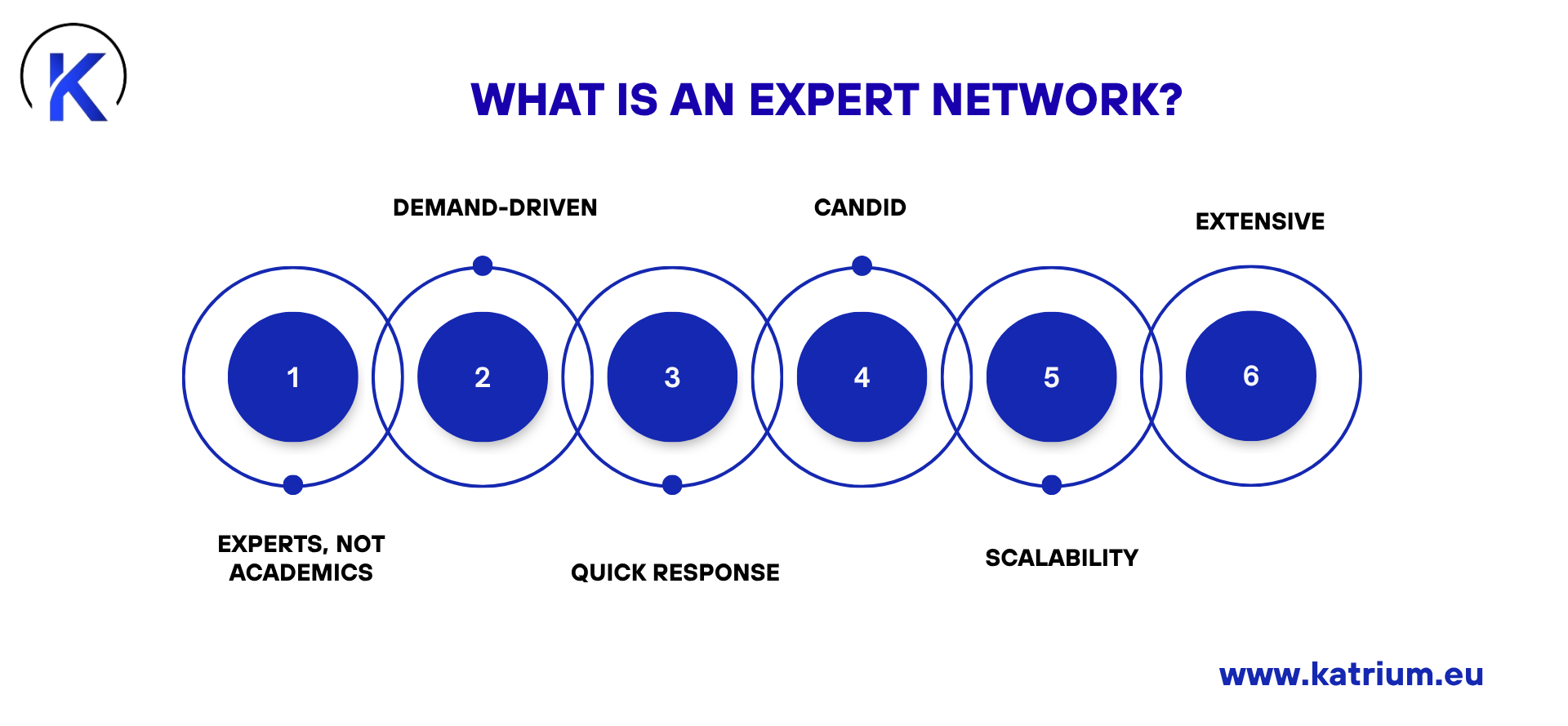
- Experts, not academics — These are professionals with relevant executive experience in the field in which your research is being conducted
- Demand-driven — You identify the challenge, and the network will find exactly the right person to provide answers
- Quick response — Most expert networks set up interviews within 24-72 hours of contact
- Candid — Third party status allows experts to be more candid than direct industry connections
- Scalability — Use them once for a key issue or conduct a whole research agenda with them
- Extensive — The best networks span virtually all industries and geographic regions
The Main Types of Expert Networks
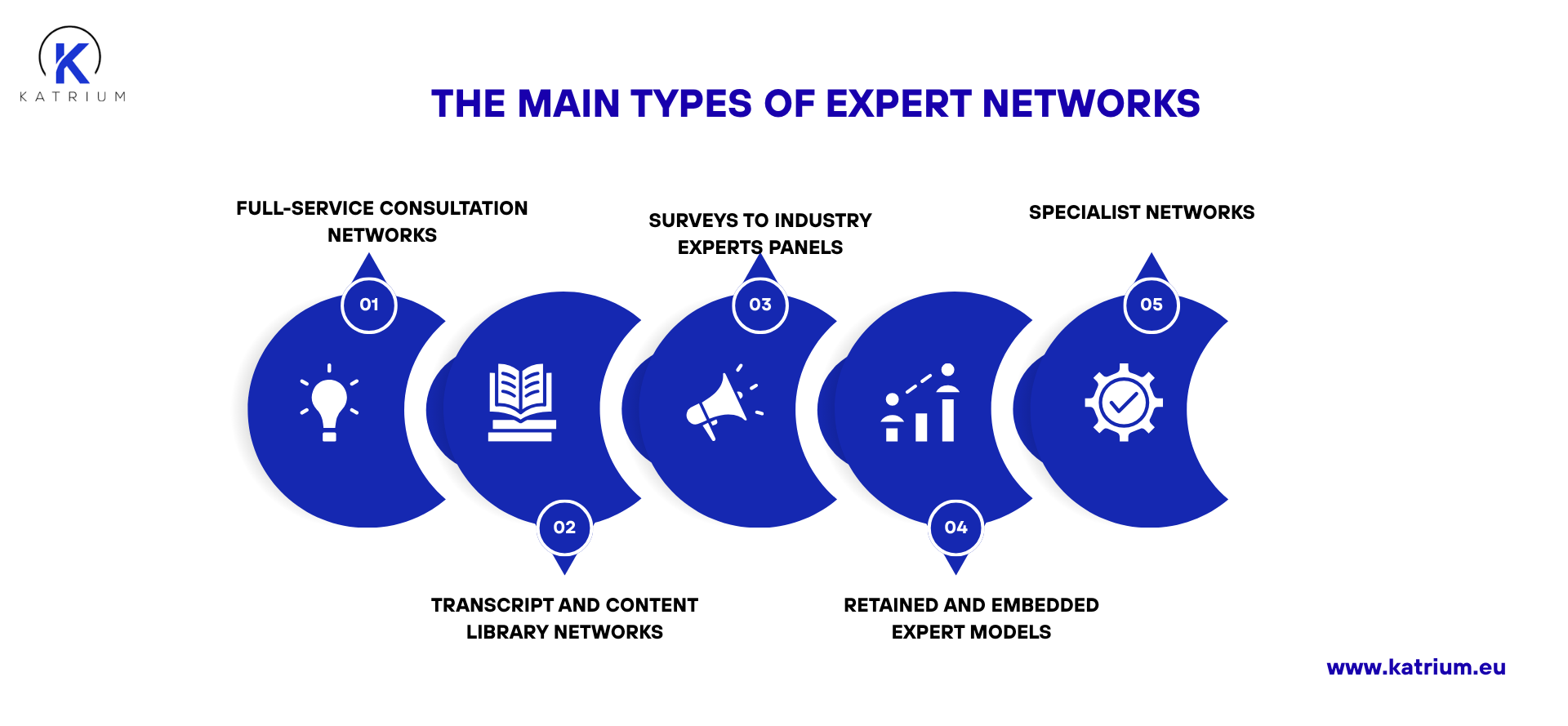
- Full-service consultation networks
Most mature business models. A research brief is submitted by the client; the consultant then recruits and screens potential experts; finally, a phone call is scheduled – usually after 24 to 72 hours.
Good for:
- Diligence checks and transaction analysis
- Strategy consulting projects
- Market entry and competitive intelligence
Making their money:
- Charges per hour or per call to the clients
- Subscriptions (yearly basis) to those who need many consultations
- Higher prices when the urgency is very high or there is a specific expertise required
Important details:
Quality depends strongly on recruiters’ skills. Companies with the highest quality have substantial training programs for recruiters and domain expertise. Examples include GLG, Guidepoint, and AlphaSights.
- Transcript and Content Library Networks
A technology-led approach allowing customers to access an online searchable database of interviews that have been recorded priorly, instead of scheduling any fresh ones.
Suitable for:
- Prior research in preparation for a real-time consultation
- Large-scale research groups looking to save costs
- Measuring changes in experts’ opinions about a particular company or industry over time
Sources of revenue:
- Subscriptions to use the database — usually yearly or monthly fees
- Variable pricing models depending on user numbers or content volumes accessed
- Higher premiums for proprietary and exclusive content
Important considerations:
The greatest benefit is the instant availability of content, with no delay in scheduling, and quick turnaround by recruiters. However, there is no room left for further questioning, and the information might lose its relevance quickly in dynamic industries.
- Surveys to Industry Experts Panels
As opposed to interviews, this kind of network sends out pre-designed surveys to targeted panels of experts within the industry and delivers collected data.
Ideal for:
- Quantifying the size of the market
- Validation through quantifiable results
- Monitoring changes in sentiment within an industry through multiple periods
How they make money:
- Per-project fees based on the project’s scope, execution, and analysis process
- Fees for panel access from companies who want to conduct surveys on their own
- Data analytics fees for additional services
Things to keep in mind:
This network’s strength lies in scale as you can reach many professionals at once. However, survey questions cannot capture nuance, so poorly designed questions deliver inaccurate information. In this case, panel recruitment is what is essential, not individual expert matching.
- Retained and Embedded Expert Models
An even more intensive approach where the expert works with your team regularly, contributing advice in meetings and over an extended period of time, whether weeks or months, rather than just one call.
Ideal for:
- Entering markets or developing products over time
- Private equity groups checking in on their portfolio companies
- Firms requiring expert insight throughout a complicated project
How they earn:
- Retainer fees on a monthly or per-project basis
- Per diem fees for face-to-face advisory services
- Contingency fees on certain deal advisory engagements
Things to consider:
These experts deliver the most in-depth and robust insights possible, but there’s a lot of due diligence required up front. The wrong match is costly and disruptive. Use this approach when you’re clear about a continuous need rather than a one-time research inquiry.
- Specialist Networks
Vertical networks that catered to an exclusive field or location as opposed to generalists.
Examples of specializations include:
- Healthcare and life sciences
- Financial services and fintech
- Technology and cybersecurity
- Governments, policy, and regulation
- Emerging markets – South East Asia, Africa, Latin America
How they earn their keep:
- Same as all-inclusive networks – per-minute fees or subscriptions
- More expensive because they are more specialized and hence offer higher quality experts
- Additional consulting services from some specialist networks
What you need to know:
If your organization requires ongoing access to talent in a specific field, go for a specialist network over a generalist network. The recruitment professionals will be able to source high-quality experts at a much quicker pace due to their specialization in the field.
Bottom Line
The fact of the matter is, most businesses view their use of an expert network as just another commodity, one where they pick whoever is the least expensive or whoever they are most comfortable working with. However, there’s the fact that not all models are designed for all research purposes. Matching your expert network to the research questions is something that will pay off in better ROI than anything else.