Many European companies are facing skilled shortage and recruitment challenges. As a result, hiring is becoming slower and more expensive. A company may have open positions, a clear budget, and a real demand for new workers but still struggle to find people with the right skills at the right time.
This is not only a recruitment problem. Companies also need to understand where the skill gaps exist, which roles are difficult to fill, and how flexible support can keep operations going while the search continues.
Why skilled shortage and recruitment are connected
Skilled shortage and recruitment are connected because companies are not only searching for more workers. They are searching for workers with specific skills, languages, experience, and availability. When the available workforce does not meet those requirements, recruitment takes longer and costs more.
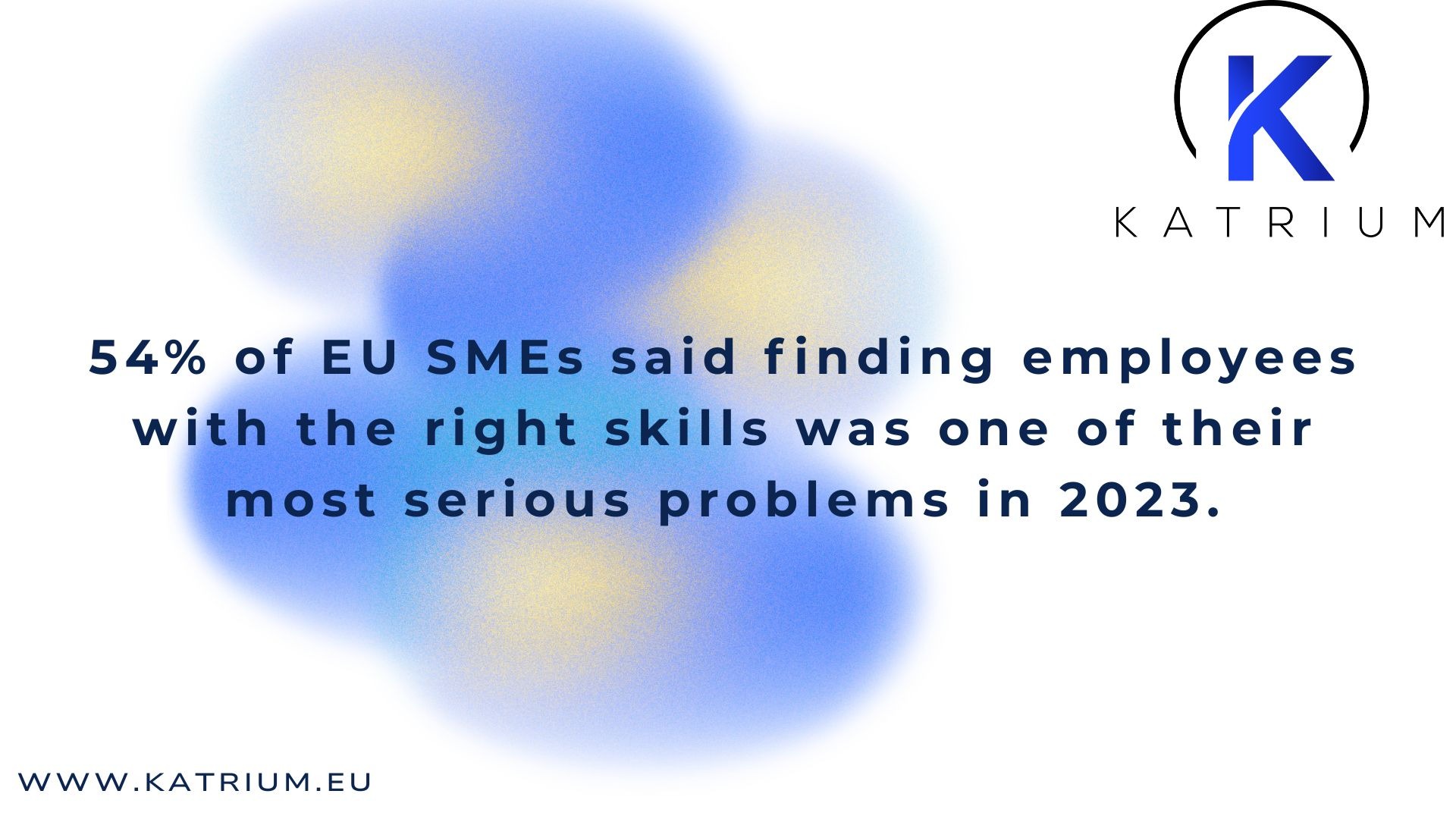
According to Euronews Business reporting on Eurostat data, 54% of EU small and medium-sized companies reported that finding employees with the right skills was one of their most serious problems in 2023. Three in four employers across 21 European countries reported that they could not find the talents they needed.
There are several reasons behind these. Older workers are leaving the labour market faster than new workers enter. Every year digital tools are changing job requirements. Many companies struggle to hire people who have technical, communication, and multilingual skills at once.
Katrium’s recruitment and HR services support companies that need skilled, multilingual workers without going through a long recruitment process.
Where skilled shortage and recruitment pressure appears most
Jobs that require extensive training are usually the first to experience a skilled shortage and recruitment problems. These include healthcare, construction, transportation, IT support and customer service.
The challenge is not always the number of applicants. There are sometimes candidates who don’t fit the language, technical, or industry requirements. In other cases, the right candidate might be in another country but the company struggles to find or onboard them.
According to the European Labour Authority’s 2024 report on labor shortages, transport, healthcare, construction and IT are among the sectors where shortage of skilled workforce are serious. These roles often need experienced workers, and training new employees takes time. The European market also has regional differences. A Finnish company may need German speaking customer support. A company in Estonia may need Italian speaking interviewers for market research. Local hiring rarely solves these needs.
Katrium’s multilingual recruitment services can help companies find people with different language skills for customer service, research, sales support, and administrative tasks.
How skilled shortage affects daily work
Skilled shortage and recruitment pressure can affect daily operations very quickly. When a role stays open too long, existing employees usually handle the extra work.
This can create several problems:
- Slower response times
- More pressure on current staff
- Lower customer service quality
- Delayed projects
- Weaker sales follow-up
- Higher risk of employee burnout
Customers may lose trust if a company cannot respond appropriately. If HR administration is unmanaged, managers spend time on small tasks instead of decisions that move the business forward.
Katrium’s article on on-demand staffing explains how flexible hiring can cover these gaps without the delays of an entire recruitment process, often within the same day.
Practical ways to manage skilled shortage and recruitment
Skilled shortage and recruitment problems cannot be solved with one action. However, companies can reduce the pressure by changing how they find and manage the right talent.
The first step is expanding the search area. Companies can search throughout Europe rather than just one country or one city. This is especially useful for project-based work, remote support and multilingual work.
The second step is using a flexible workforce. A company does not need a full-time employee immediately. Sometimes it needs someone for a short project, a campaign or a few hours per week. Flexible support keeps the business running.
The third step is outsourcing specific tasks. Customer support, research interviews, HR administration, data work and content tasks can often be handled by external teams. This helps the company get professional work done quickly, without needing to hire and train a large internal team immediately.
According to Katrium’s article on recruitment and HR services, flexible recruitment support can help companies find the right employees for both short-term and long-term needs.
Why HR support matters during a shortage
When there is a shortage of workers, keeping your current workers is just as important as hiring new people. If employees keep leaving, hiring problems become worse.
Good HR support helps companies manage daily tasks like hiring, communication, and performance review. These tasks may seem small but they completely change how employees feel about their jobs.
Good onboarding helps new hires start faster. Regular communication also reduces confusion. Better planning lets managers identify who needs help while organized HR keeps employees happy and performing well.
Modern recruitment must be fair and data driven. Companies must be able to balance fast recruitment with ethical and responsible practices. Katrium’s article on modern recruitment and legal compliance explains why recruitment process must balance efficiency with responsible and fair hiring practices.
Final thoughts on skilled shortage and recruitment
Skilled shortage and recruitment problems will not disappear quickly. Ageing workforces, lack of digital skills, and regional differences will continue to affect across Europe.
Companies that respond early can reduce the pressure. They can search across borders, use flexible staffing, improve HR support, and outsource tasks that slow the team down. Katrium can support businesses with skilled shortage and recruitment challenges through multilingual recruitment, flexible staffing, and HR services. Contact Katrium to discuss a practical recruitment solution.