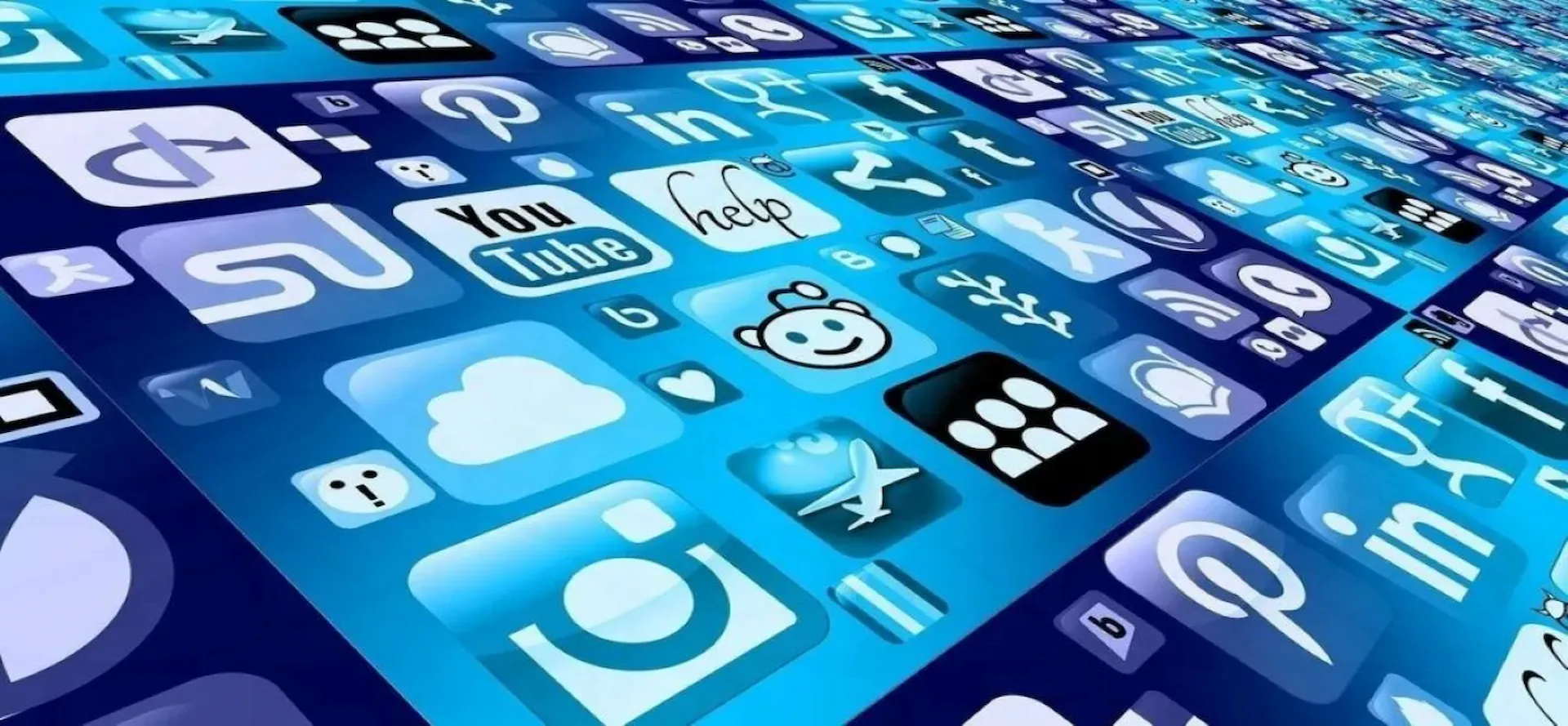


In the current, ever-growing digital market, multichannel engagement has become a beacon for businesses trying to form a connection with their customers. What is multichannel engagement, you ask? It’s simple! According to global social media statistics, an average person uses 6–7 different social media platforms each month. Multichannel engagement simply means using those multiple platforms to interact with customers and provide them with a personalized experience of what your business has to offer.
The benefits of multichannel engagement and why it matters.
- Wider customer reach: Each customer has their favorite channel. For example, social media influencers may prefer Instagram or TikTok, whereas a corporate worker may prefer LinkedIn. Through multichannel marketing, a business can reach both customers via different platforms, thereby keeping both customers happy and catering to a wider spectrum of customers.
- Improved brand/business visibility: When your business or brand is visible across multiple platforms, it is more likely to be remembered by the customer. This also helps your business or brand appear more accessible to the customer, helping them to take a step closer to becoming a regular or loyal customer.
- Stronger customer relationship and data-driven insight: Providing customers with consistency throughout multiple channels can build trust and a long-term relationship. Businesses can use the data collected from these channels to gain better insight into customer behavior, their preferences, and what services need improvement. This data is of great value! It will help your business provide your customers with a better customer experience.
Don’t know where to start? Let’s look at how to build a multichannel engagement strategy.
As for any other area of business, multichannel engagement also requires identifying your target audience.
- Find the top 5 most used media platforms by your identified target audience; this will help you narrow down what channels you want to focus on.
- Once you have identified the channels, think about what message you want to convey through them. It is important to understand the differences in the channels and how each one of them displays content. Use the same message across all the channels! Use the same logo and color theme across all the channels. This will help the audience recognize the company regardless of what channel they are using.
Less is more! As you increase your business’s presence across several channels, do not overwhelm your customers with information that might be useless to them. Offer recommendations that are personalized and exclusive to the customer. Stay consistent with what you offer across all the channels. Take advantage of all the data collected from the channels. This data will help you realize what needs to be improved and what your customers like. Data management is important and much needed in this case, as it can get quite overwhelming and time-consuming to get any insight from the data if it is not organized correctly.
From learning to application, let’s go!
Multichannel engagement is not a passing trend. It is very much here to stay. It has become crucial to connect with customers on their terms and preferences. Multichannel engagement has opened new doors for businesses and customers alike to connect more closely and efficiently. Now that you know what multichannel engagement is about, you can take your first steps to implement it in your business. Does market research to understand your target audience seem overwhelming to you? Let professionals help you with their skills! See what Katrium has to offer with their Content Services.


6 Responses