
Currently, modern HR is one of the best investments a business can make to expand operations, build reliable teams and approach new markets with less difficulty. Many businesses tend to focus their efforts on whether or not they can build new products or fill their sales quotas without asking themselves if their current manpower capacity is enough to handle that much work.
The Change: From Administrative Function to Strategic Partner
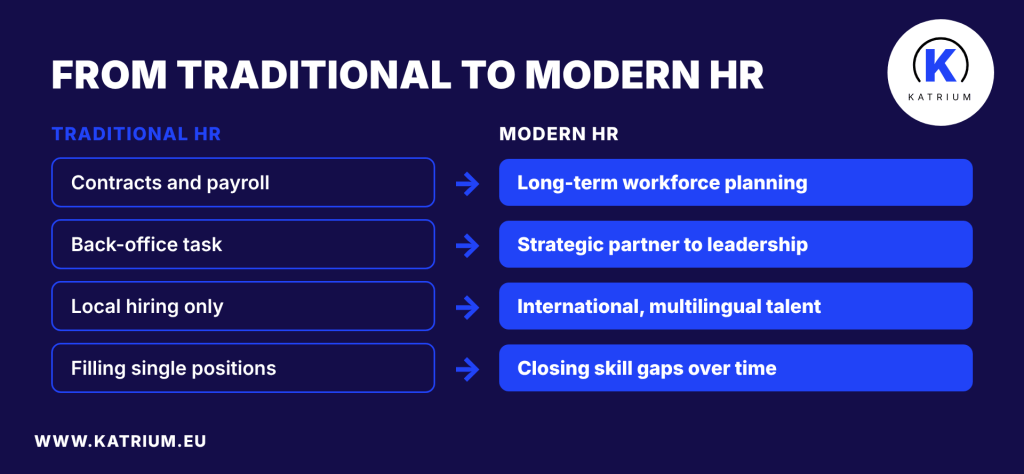
Historically, employee management has been a largely administrative function of HR. This involved things like drafting employee contracts, monitoring employee hours and running payroll at the end of the work week. While operational compliance still matters, HR is no longer an administrative back office operation. In modern times, HR is more of a continuous strategic process.
As part of a long-term commitment to adaptation and improvement, businesses should constantly search for talented employees. The role of HR in modern businesses is to facilitate clearer links between immediate staffing and long-term business goals that are determined by leadership teams.
Important Parts of a Modern HR Plan
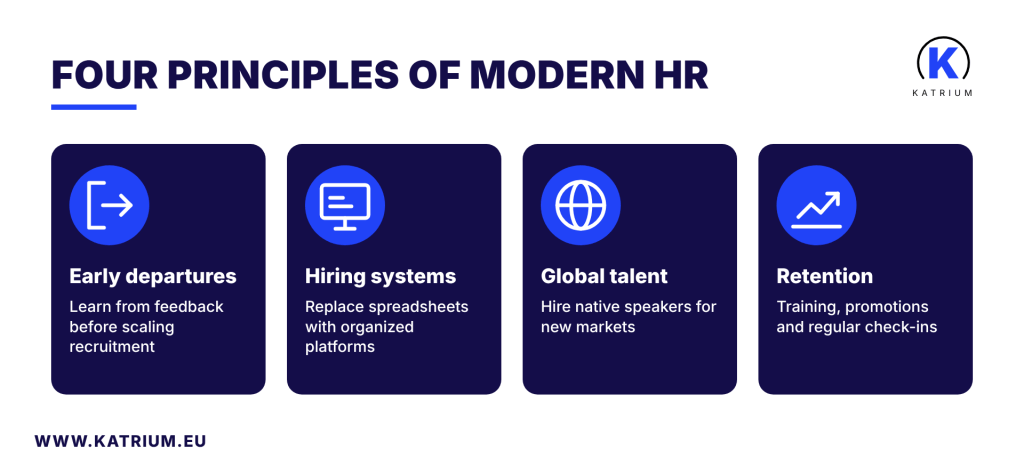
A great way for businesses to keep their HR structure aligned is to segment the planning process for manpower into logical, executable steps. In the current climate, businesses build their own HR procedures around 4 sound principles to remain competitive in the market:
- Learning from early departures. In many cases, early departures within weeks of signing make hiring mistakes very expensive for growing businesses. Before expanding recruitment networks, the HR department should sift through the candidates’ feedback notes to identify issues that are draining team resources before qualified candidates turn their backs on the business.
- Organized hiring systems. The HR team can waste a significant amount of valuable time with shared spreadsheets and disorganized applicant notes. Specialized hiring platforms minimize the challenges to the internal HR and recruiting staff. When a repetitive process for applicant paperwork is placed into a well-organized system, your recruiters have more of their workdays to interview candidates and ensure successful onboarding for your new team members.
- Access to international talent. The growth of the business is no longer dependent on geographical location. Companies now expand internationally and provide native-language service by hiring new team members to reach local markets.
- Keeping experienced employees. It will always cost a business more money to replace experienced workers instead of retaining them. Well-laid-out promotions, on-the-job training and a regular team check-up process are at the core of modern HR planning. Employees stay loyal to a company for the long term when they see ways to grow from within.
Overcoming Global Recruitment Challenges in Modern HR
Recruitment for international talent is usually much more challenging than growing businesses plan on. It is common for hiring teams to start off with strong momentum, but then the next set of urgent tasks, like client outreach and deal closing, take over. Without a recruitment structure in place, finding qualified talent quickly falls to the back of the line along with scheduling interviews as workloads grow. This is a common scenario that Katrium’s recruitment team sees and helps companies overcome.
The same issue affects small businesses that do not have the necessary HR capacity. They struggle to conduct in-depth language assessments and verify qualifications for overseas candidates, or even find their way around the often unfamiliar labor laws of foreign markets. HR outsourcing services are seen as a great option, as they provide the HR support businesses need through proven programs and expertise. Working alongside Katrium’s HR support services allows a business to acquire vetted international talent for hire and screen candidates without overburdening an in-house team.
Conclusion and Critical Lessons
A modern HR strategy does not end with a single role filled. Internal team structures and even markets will always change. In a modern HR era, it is easy to miss growing gaps in skill when businesses continue to operate with outdated recruitment practices from years past. These minor manpower challenges will eventually amount to major delays in operations.
Since modern HR is not a short-term arrangement, teams need to be flexible when dealing with new circumstances. Businesses can avoid administrative burnout as they grow while filling their workforce if the right personnel are in place along with a capacity plan that does not put your business through a guessing game. Contact Katrium’s experts to see how our multilingual staffing and recruitment services help your company grow.