
Market research processes help businesses replace assumptions with reliable data before making important business decisions. In constantly changing markets, understanding customer behavior, competitor activity, and market trends can make the difference between a successful strategy and a costly mistake. Businesses that invest in market research are better prepared to respond to changing market conditions with confidence.
Why Businesses Invest in Market Research Processes?
Businesses increasingly invest in market research processes to make more beneficial decisions about market conditions, customer behaviors, and their strategies. Market research helps companies understand how customer preferences change over time to react accordingly or how competitors successfully position themselves in the markets. These insights allow businesses to adapt their strategies more quickly instead of reacting after opportunities have already been missed.
Our Katrium experts use structured market research processes to help businesses reduce uncertainty, respond to market demands, and develop strategies based on reliable market insights rather than assumptions.
Defining Clear Goals Before Market Research Processes
Businesses need to identify their goal before collecting data and conducting market research. Without a clear objective, companies may collect large amounts of information that is time-consuming and provide little practical value for decision-making.
To make the most of market research, companies should determine what they want to learn. Some may want to understand why customers’ attention is shifting towards this trend and not that one, while others may focus on product enhancement or potential competitors in international markets. Entering new markets also needs thorough research about cultural preferences and competitors, as market conditions are not the same in each region.
Clear research goals help businesses focus on the most relevant information, making the research process more efficient and supporting better business decisions.
At Katrium, our experts support businesses through market research services to understand better both local and international audiences.
Collecting Market and Customer Information
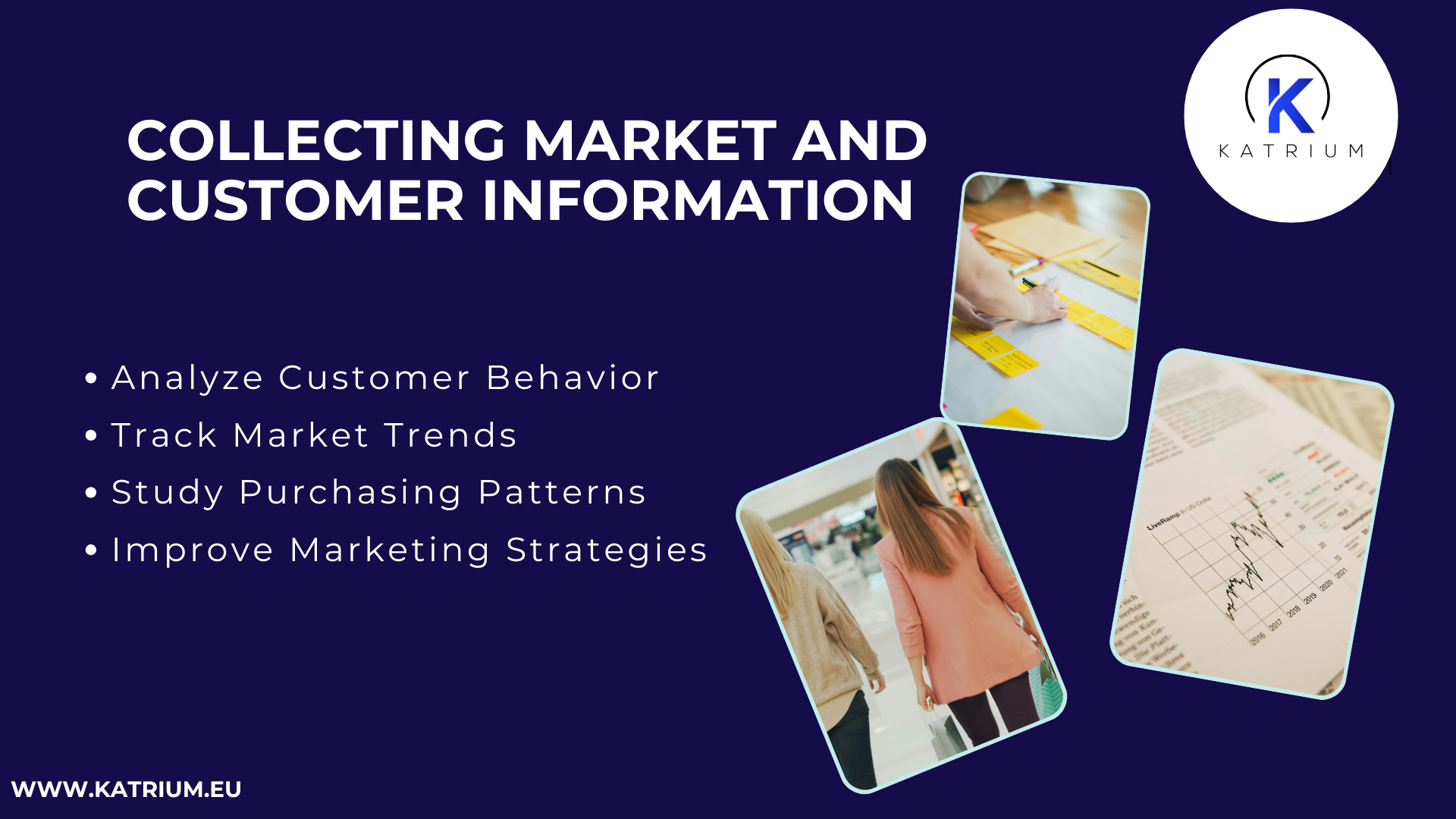
After determining the goals, companies then move to collect information. Modern market research processes involve both qualitative and quantitative methods. Qualitative research includes interviews, focus groups, and customer feedback to understand opinions, while quantitative research uses surveys, questionnaires, or sales data to identify patterns and measure customer behavior. Businesses can also analyze social media activity or purchasing behavior to gain more detailed market insights.
Customers’ behaviors often change rapidly as they are influenced by many exterior elements such as trends or the economy. Trends are then influenced by social media or marketing campaigns, and these can slightly or significantly affect customers’ preferences and purchasing frequencies. Businesses that continuously monitor changes are often more capable of adjusting marketing strategies accordingly and even outperform competitors.
For instance, some companies may want to study which products are the most popular, some want to identify which advertisements would attract more customers, or study which customer groups are more likely to become long-term clients. Besides the customer aspect, the information also supports firms in improving products and campaigns that respond to market demands in time and take the opportunity to position themselves strongly in the markets. Therefore, market research processes hold a valuable position to understand the markets and customers deeply, especially when communicating across different digital platforms and languages.
Competitor Analysis in Market Research Processes
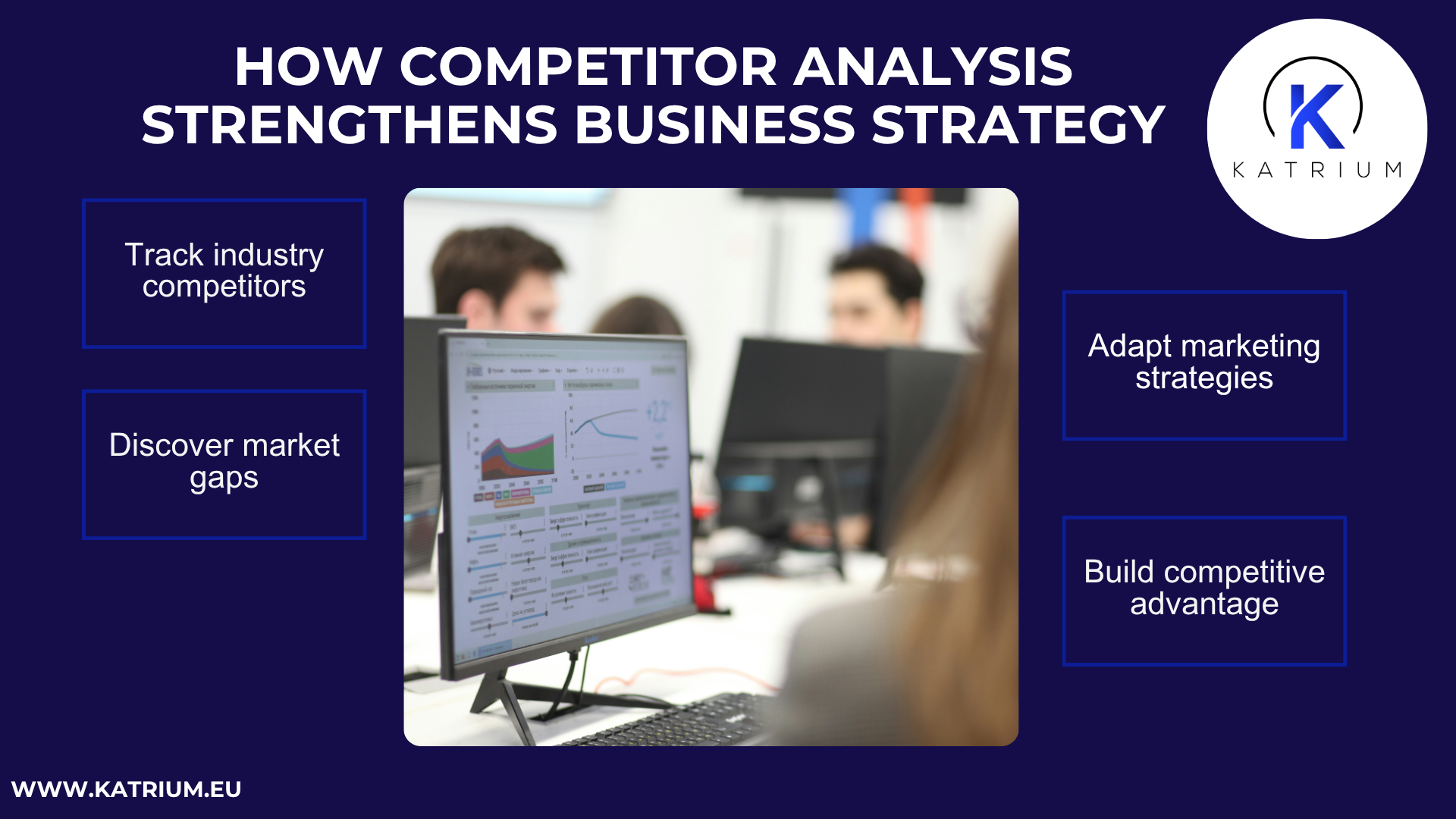
Businesses that operate in competitive environments need to understand not only their customers but also their competitors and overall market environment. Competitor analysis helps businesses understand how competitors attract customers and adapt plans to changing market conditions. Combining it with companies’ own strategies and analysis, this can allow firms to identify the opportunities and weaknesses within the markets to make practical adjustments to business strategies.
For example, companies may examine competitors’ marketing plans to attract certain customer groups through websites or social media. This allows companies to research based on actual cases to acquire more reliable and accurate results. Companies can adjust and enhance approaches based on the plans that are already being utilised and avoid ones that do not perform well in the markets.
Businesses can determine different opportunities to enhance, such as the rising trends, niche markets, or areas that are underdeveloped. For instance, some aspects are overlooked so businesses can focus solely on these to invest in. Businesses should identify these gaps earlier to broaden the opportunities and develop in various sections such as products, services, or marketing research process. Finally, companies that understand both customers and competitors are more likely to differentiate and strengthen themself in the competitive markets with many competitors.
Companies such as Katrium offer competitor analysis in market research processes to help businesses compete strongly in the markets and communicate effectively with customers.
Market Research Processes: Turning Data Into Business Strategy
As mentioned above, businesses should also focus on how to apply the large amount of data correctly and efficiently to optimize the funded data and resources. Market research processes become useful only when companies can use them to fulfill the goals regarding customers or strategies. Business can first use data to improve customer engagement.
For instance, businesses can discover certain characters or services that are difficult to use and may need further improvement based on customer feedback. After improvement, the services can become easier to access, with more features that satisfy customers’ preferences.
Companies can also use data to support their long-term strategies relating to their pricing decisions, product development, or international expansion strategies. Specifically, when entering unfamiliar markets, companies often rely on practical research data instead of theoretical assumptions.
Why Continuous Market Research Processes Matter?
In addition, conducting market research processes often can allow companies to operate and adjust flexibly to changes within markets. Flexibility is among the vital abilities that businesses should possess in the current competitive and dynamic markets where trends and customer expectations evolve continuously. Some businesses that do not conduct this research often may struggle when facing constantly changing markets and customer behaviors.
Besides flexibility, continuous market research allows businesses to follow the latest developments in the industries more consistently and enhance long-term plans before any major challenges occur. Companies can benefit from this as they can position themselves strongly in the market and strengthen their professional image with the public.
Companies that do market research processes regularly, such as Katrium, will be more likely to meet customer expectations, increase their competitiveness, and build realistic plans.
Conclusion
Market research processes help companies make more optimized decisions in unpredictable markets. Businesses that invest in continuous international market research can often adapt to market changes and strengthen their competitiveness over time. If you are looking for professional support with market research, contact Katrium to acquire services that can improve your market strategies.