
Analysis of market research data is an invaluable source of information regarding the target audience, the competition, and the general trends in the market. However, it is not the collection of the data alone that is important. The real worth of the data collected through market research is in the analysis of the data. Businesses that are able to analyze the data collected through market research are in a better position to take business decisions and remain competitive in the market.
Market research analysis is the process of analyzing the data collected through market research. The analysis of the data collected through market research is of two kinds: quantitative data analysis and qualitative data analysis. Quantitative data analysis is the analysis of numerical data, while qualitative data analysis is the analysis of opinions, reviews, and experiences.
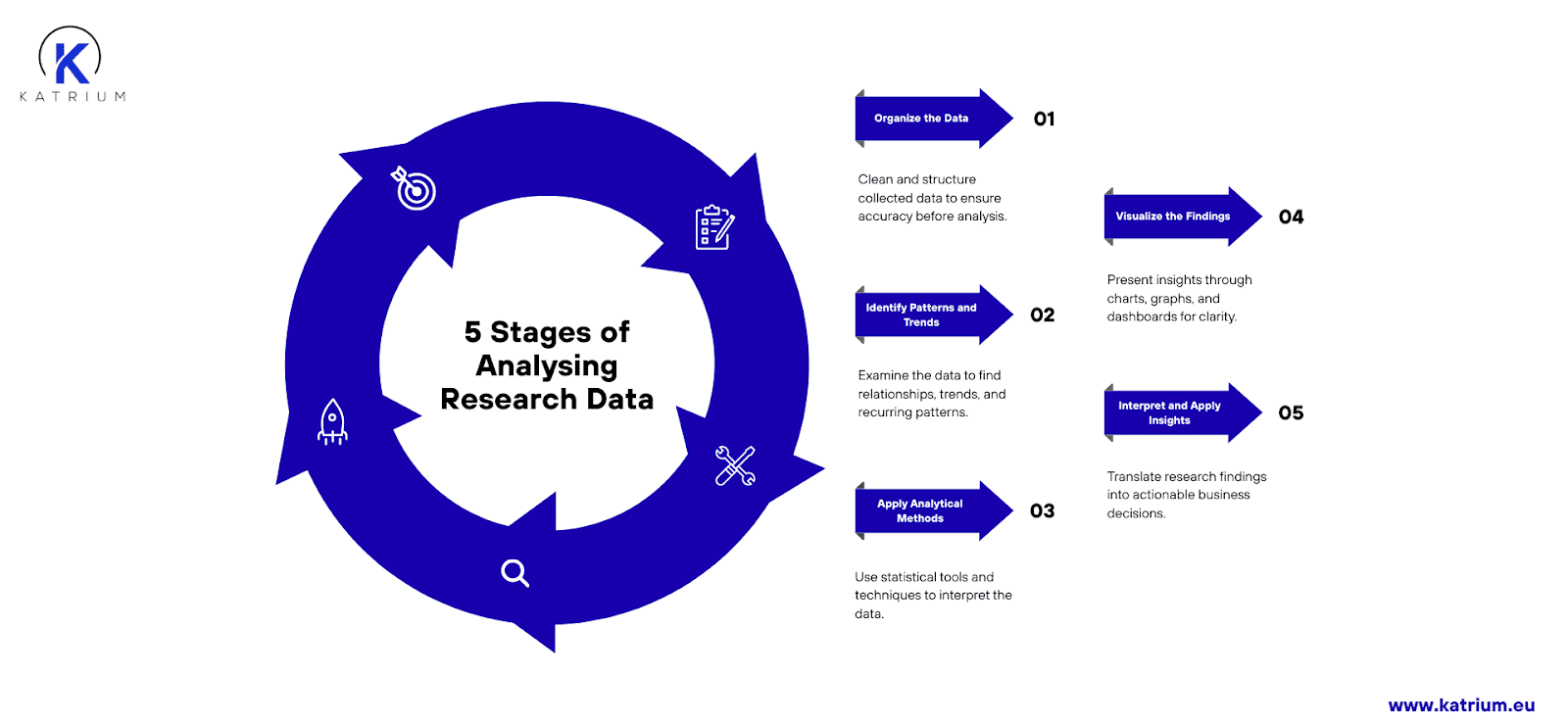
Organizing and Preparing the market research data
It is essential for the researcher to prepare the data before the analysis begins. This is because, at times, the raw data may contain similar responses, incomplete responses, or may be inconsistent. This can affect the accuracy of the results. Therefore, cleaning of the data is crucial for an accurate and reliable analysis.
Preparation of the data may include the removal of invalid responses, similar responses, and organizing the data in a manner that is easily understandable by the analysis tools. This helps the researcher compare the data with other variables as well.
This is an important phase of the research as it helps the researcher draw accurate conclusions from the data.
Identifying Patterns and Trends
Once the data is organized, researchers start looking for patterns and trends. In quantitative research, this includes calculating averages, percentages, and statistical relationships between variables. For instance, companies can use data to find out how customer satisfaction varies between age groups or geographical locations.
One of the techniques used is cross-tabulation, where two variables are compared to see if there is any relationship between them. This method is helpful in revealing trends, such as how customer preferences vary according to certain characteristics.
When trends are analyzed, businesses can understand their customers, market needs, and even emerging trends.
Using Statistical and Analytical Methods
More complex market research studies may also utilize statistical approaches to gain more in-depth information. These approaches allow for the determination of the relationship that exists between different factors and the impact that they have on the decisions of consumers. For example, the impact of various product characteristics may be determined by carrying out a regression analysis. On the other hand, the classification of consumers may also be carried out by employing discriminant analysis. Other statistical approaches may also be employed in carrying out market research. For example, conjoint analysis may be employed to determine the impact that various product characteristics have on the decisions of consumers.
Visualizing the analysis of market research data
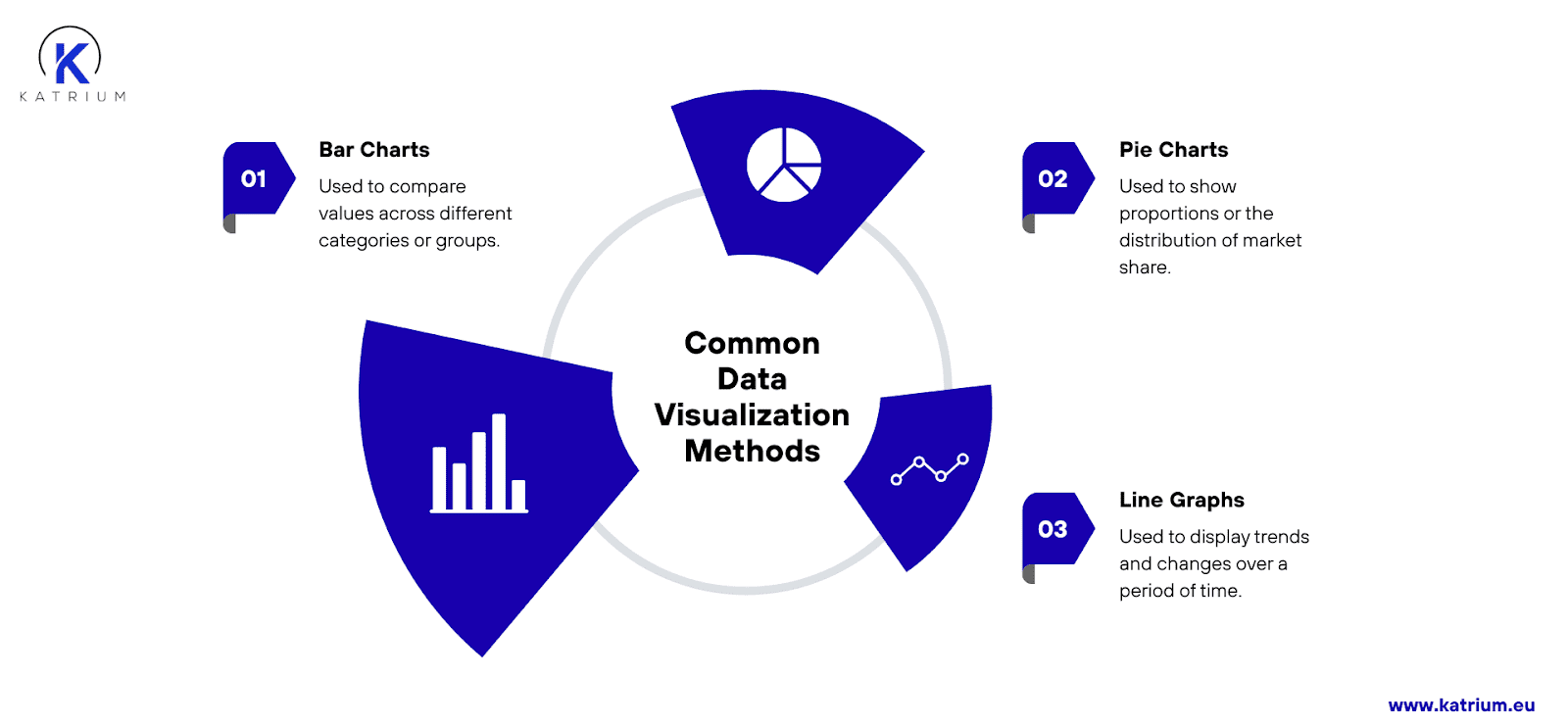
Data visualization is an essential factor in the interpretation and communication of research findings. The use of charts, graphs, and other data visualization tools helps in simplifying complex data, allowing stakeholders to easily identify the key findings of the research.
For example:
- Bar charts can be used for comparison of categories or groups
- Pie charts can be used for proportions or market share
- Line graphs can be used for displaying trends over a period of time
Data visualization helps in simplifying the interpretation of data which allows businesses to understand research findings more effectively.
When data is represented visually, it helps businesses easily identify trends, anomalies, and relationships that may otherwise be difficult to identify.
Interpreting Insights and Making Decisions
The last step in analyzing market research data is interpreting the results and drawing meaningful insights from it. It requires researchers to relate the results back to the initial objectives of conducting the market research and understand what it means for the business.
For instance, market research insights may help organizations identify opportunities in the market, understand what customers need, and how to better provide products and services to meet customer demands.
Market research may also be used to evaluate marketing strategies and compare current data with previous market research. At this step, our focus is more on strategic decision-making than numbers and statistics.
Conclusion
The analysis of market research data is an essential process for converting available information into useful business insights. This is where market research analysis plays a crucial role, as it helps businesses draw useful insights from available market research data. Organizations that use a structured approach for market research analysis are more likely to gain useful insights into customer needs, market dynamics, and sustain a competitive advantage. This is because market research analysis helps organizations convert available market research data into useful business insights, as opposed to letting the data go to waste. Organizations looking for more insights into the market, customer behavior, and competition often rely on market research experts. At Katrium, we help businesses gain more insights from available market research data. Our team is always available to help you understand market research data and turn insights into informed business decisions.